Request a Quote
Tell us what you need, and our team will get back to you within 24 hours.
China is still the right answer for some activewear brands, especially those selling synthetic, design-heavy, margin-sensitive products that need sample speed and technical control. But for cotton-heavy, story-first, or weak-compliance brands, it can become an expensive mistake.
Most brands shouldn’t.
I say that because country selection in activewear gets flattened into a dumb cost argument, when the real variables are fiber mix, construction complexity, replenishment rhythm, customs exposure, and whether the brand is selling pure performance, brand identity, or moral positioning. So who actually belongs in China?
I do not buy the fashionable advice that every brand should “move out of China” on principle. According to the USITC’s 2024 apparel competitiveness report, the United States imported $79.3 billion in apparel in 2023, the majority still came from Asia, and China remained the single largest supplier even after losing share over the prior decade. That is not nostalgia. That is industrial gravity.
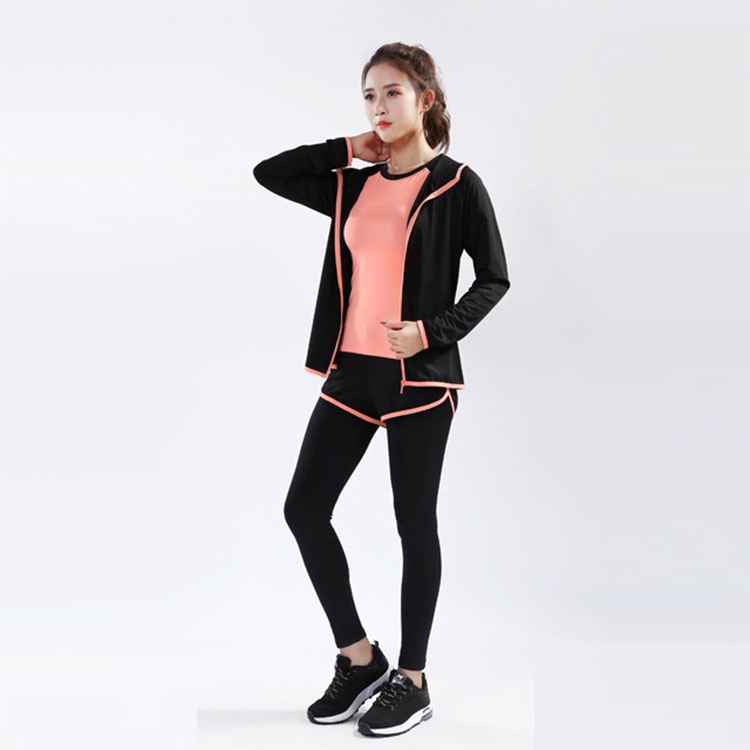
The brands that should source from a China activewear manufacturer are usually not the cheapest brands. They are the brands with annoying products: leggings with fit-sensitive waist shaping, sports bras with removable cup geometry, seamless sets, zip pockets, bonded hems, silicone logos, reflective trims, and repeated sample tweaks that eat weak factories alive. I’ve watched too many founders chase the lowest FOB on paper, then crawl back to China when they realize “basic activewear” is only basic until the first return wave hits.
The site you gave me is actually set up around that exact buyer logic. Its strongest internal pages are not generic category pages but buyer-intent pages such as private label activewear manufacturing, robust customization workflow, lean manufacturing process, strict quality control checkpoints, and its fabric and trim supply chain page. That is where a skeptical buyer looks, because that is where the promises become testable.
| Brand type | Should source from China? | Why I’d say yes or no |
|---|---|---|
| Bootstrapped yoga or pilates startup | Yes, often | Small runs, branding control, and sample iteration matter more than winning the absolute lowest FOB |
| DTC running or gymwear label | Yes | Synthetic fabrics, trims, compression fit, and repeat development usually reward a stronger technical vendor base |
| Studio, gym chain, or coach-led merch brand | Yes | Private label, low-to-mid MOQ, and fast development cycles fit the model |
| Premium niche brand targeting APAC | Yes | Proximity to suppliers and faster response to China/Asia trends can matter more than ideology |
| Big-box basic cotton program | Usually no | If your edge is bulk basic product and price alone, other countries often make more sense |
| Provenance-first cotton label | Often no | If your brand story depends on bulletproof traceability, the compliance burden can bury you |
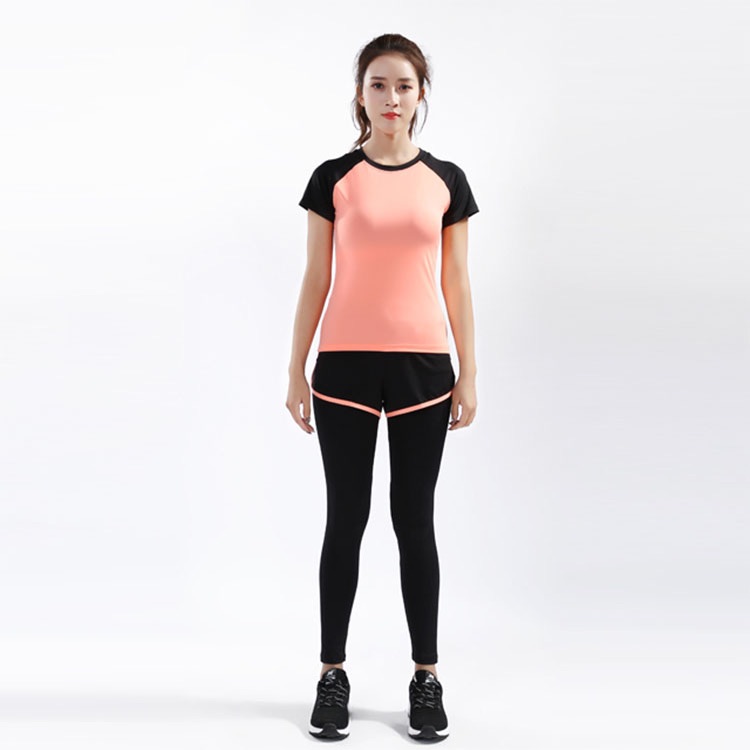
China still wins when the product is technically fussy and the brand cannot afford chaos. On the site’s own capability pages, the factory claims sampling in 5–7 days, bulk production in 25–35 days, MOQ starting at 100 pieces, monthly yield of 200,000 pieces, six production lines, 100 workers, and quality support that references amfori BSCI and Intertek. For a startup or mid-sized private label activewear brand, that mix is exactly the appeal: not fantasy scale, but workable scale.
But here is the hard truth. If your assortment is mostly cotton basics and your only religion is price, China is not automatically your best bet. The same USITC report notes that Bangladesh is strong in bulk basic garments and Cambodia is viewed as an alternative to China for cost-focused sourcing. In other words, brands buying plain tees and fleece by the container should stop pretending they are shopping for “manufacturing excellence” when they are really shopping for cents.
I would send five kinds of brands to a China sportswear manufacturer without much hesitation.
First, the startup with 8 to 20 SKUs that needs a real private label activewear manufacturer China setup, not a blank-garment broker. Second, the DTC performance label selling high-stretch leggings, bra-and-short sets, or lightweight running outerwear that lives or dies on fit consistency. Third, the gym chain or studio operator that wants custom logo gear with predictable replenishment. Fourth, the mid-market brand that needs repeated design refinement through a robust customization workflow. Fifth, brands selling into China or wider Asia, where market feedback loops are faster and customer taste is moving toward premium sport-specific identity.
That last category matters more than many Western buyers admit. In Reuters’ June 2024 report on China’s sportswear boom, China’s sportswear market was described as roughly $55 billion and expected to grow 7% in 2024, while Lululemon reported 45% China growth in the quarter and said the country had become its second-largest market. So yes, brands building premium yoga, run, hike, or studio product for Asia have a stronger case for sourcing near the action. Why design from far away when the demand signal is already in the room?
Documents beat samples.
A beautiful sample can hide a rotten sourcing file, and that is the part inexperienced founders miss, because customs officers do not care how flattering your 78% nylon / 22% elastane legging looks on Instagram if your cotton blend, lining, or trim chain breaks under scrutiny. What happens when the paperwork gets tested?
The warning signs are not theoretical. In a Reuters report from September 2023 based on FOIA-obtained customs documents, roughly 27% of tests performed on shoes and garments collected by U.S. Customs and Border Protection in May 2023 showed links to cotton from Xinjiang. Then, in another Reuters report from May 2024, researchers said 19% of 822 tested products collected from February 2023 through March 2024 had traces of Xinjiang cotton. That is not a niche compliance problem. That is a brand-killing problem.
And enforcement kept tightening. Reuters reported on May 16, 2024, that the U.S. blocked imports from 26 additional Chinese cotton traders or warehouse facilities under the Uyghur Forced Labor Prevention Act, and by August 8, 2024, Reuters reported the UFLPA Entity List had grown to more than 70 entities tied to sectors including cotton apparel. My opinion is simple: if your team cannot map fiber, fabric, trims, and sub-suppliers with adult-level discipline, do not source cotton-heavy activewear from China.
I would pull three brand types away from China fast.
The first is the story-first brand selling patriotism, farm-to-fabric purity, or radical transparency as the product itself. The second is the basic-cotton operator without a compliance team. The third is the founder who confuses “custom activewear manufacturer China” with “someone else will think for me.” That last one gets punished every time.
Here’s a detail I would not ignore before sending a deposit. The site’s About Us page places the operation in Xiling District, Yichang City, Hubei Province; the Workout Clothing Factory page says the manufacturing facility is in Dongguan, Guangdong; and the Contact page goes back to Xiling District, Yichang. That discrepancy is fixable, but I would not wire money until the business license, factory audit, invoice address, and ship-from address all match. Skeptical buyers are right to care.
That said, the site does give buyers the right pages to interrogate. I would push readers from this article into its lean manufacturing process, strict quality control system, and factory capacity page because those pages speak to lead time, inspection flow, random sampling, and production throughput. That is where purchase decisions live, not on fluffy “vision” copy.
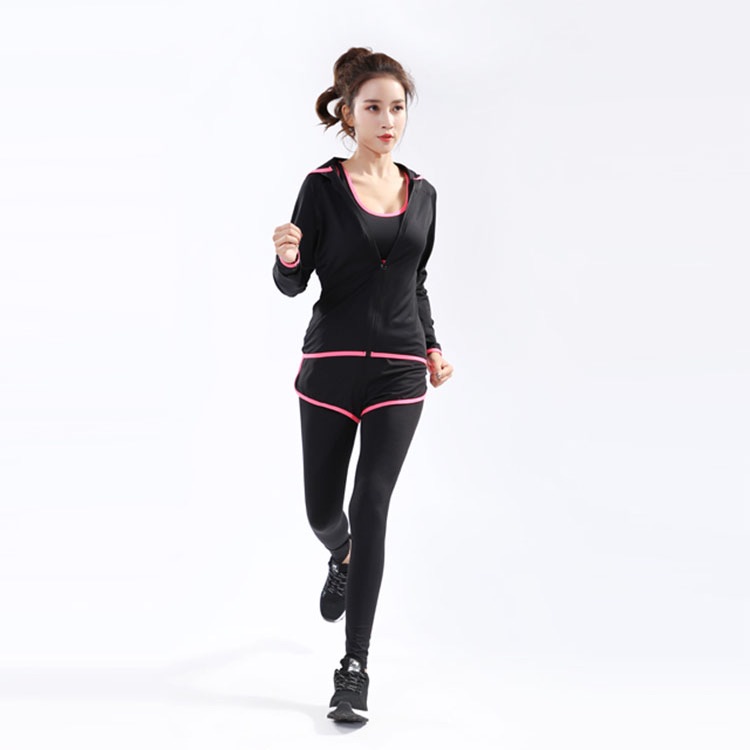
The brands that benefit most from a China activewear factory are labels selling synthetic, fit-sensitive products—leggings, sports bras, seamless sets, running jackets, and teamwear—that need custom trims, repeated sample revisions, and a vendor capable of scaling from pilot runs to steady monthly replenishment. If your assortment is technical and your brand is still building process, China often gives you a better shot at surviving development.
A private label activewear manufacturer in China is the right fit when your brand owns the positioning, size chart, fabric brief, packaging, and margin targets but does not own production equipment, technical staff, or a supplier network deep enough to manage trims, testing, and bulk follow-through. On this site, that buyer path runs most naturally through the private label page and the customization workflow.
The biggest risk in sourcing from China is not sewing quality but documentation failure, because U.S. enforcement around Xinjiang-linked cotton and entity-listed suppliers means even visually perfect garments can become commercially toxic if you cannot prove yarn, fabric, and cut-and-sew origin with paperwork that survives customs review. That is why I treat traceability as a commercial function, not a legal afterthought.
The fastest way to qualify a China sportswear manufacturer is to request a live factory video, business license, exact production address, recent audit, mill list, sample invoice, and one tech-pack-based prototype, then compare the paperwork against what the website promises about MOQ, lead time, and capacity. In this case, I would also force clarification on the Yichang-versus-Dongguan address issue before approving bulk.
Start smaller. Verify harder.
If you are the right kind of brand for China, do not begin with a heroic order. Begin with a single development package: one tech pack, one fabric brief, one fit standard, one trim map, one QC checklist, one landed-cost model. Then use the site’s strict quality control page, supply chain page, and contact page as the practical route into a real supplier conversation, not a fantasy one.
My verdict is blunt: source from a China activewear factory when your brand needs technical product, fast iteration, private label control, and a supplier that can move from sample to scale without falling apart. But if your brand is cotton-heavy, story-heavy, or compliance-light, China can still be the wrong bet, and pretending otherwise is how smart brands burn cash.